

The Guide

The Medspa
Customer Journey

How patients go through the stages of finding a medspa, trusting it, selecting it, and returning.


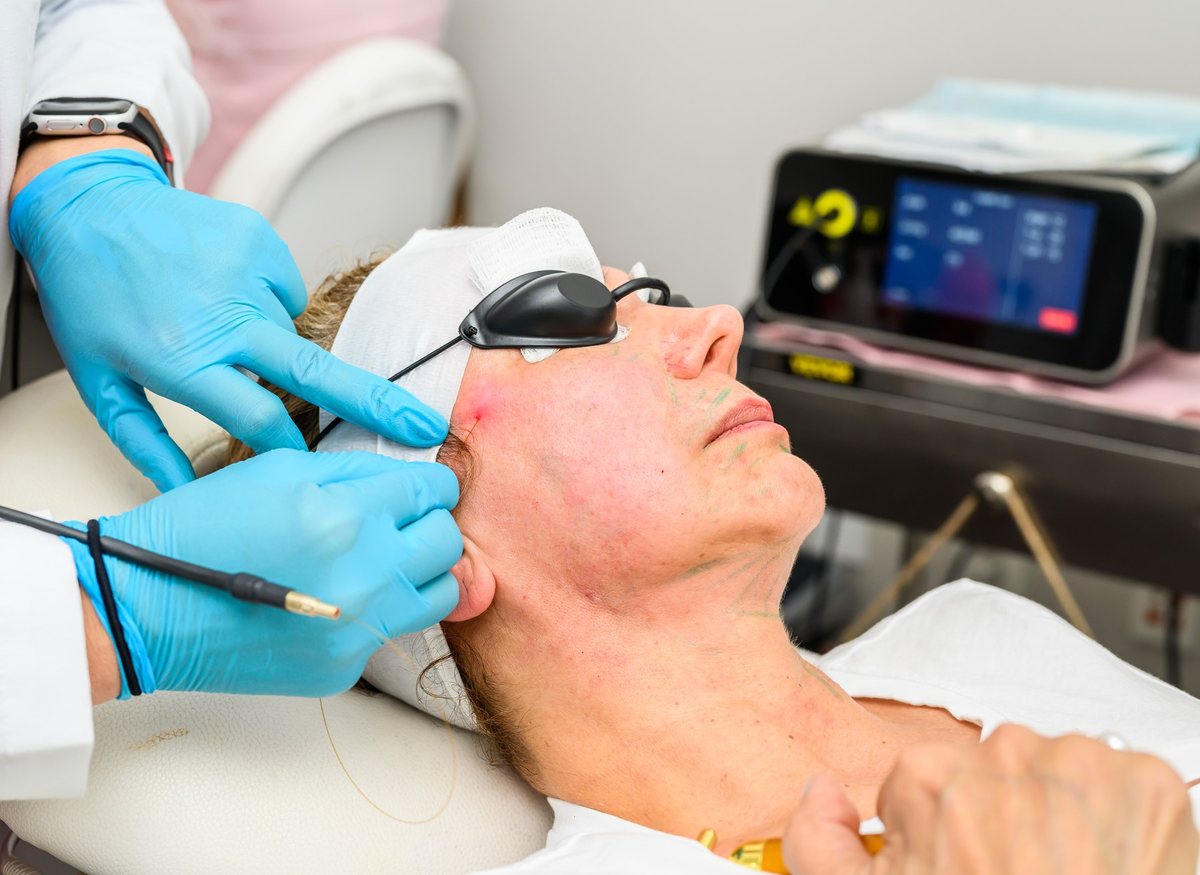
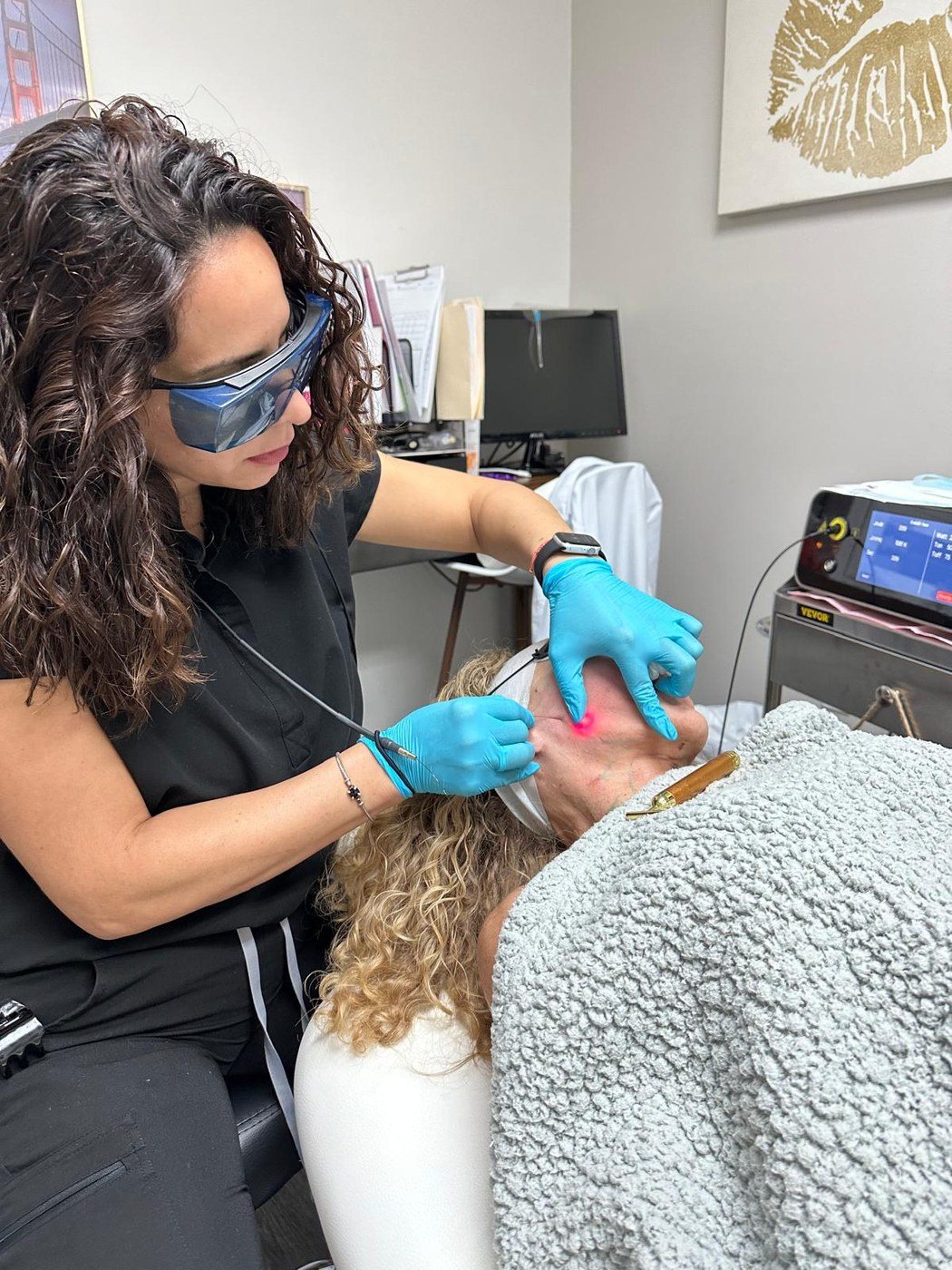
A provider in protective glasses performs a laser treatment
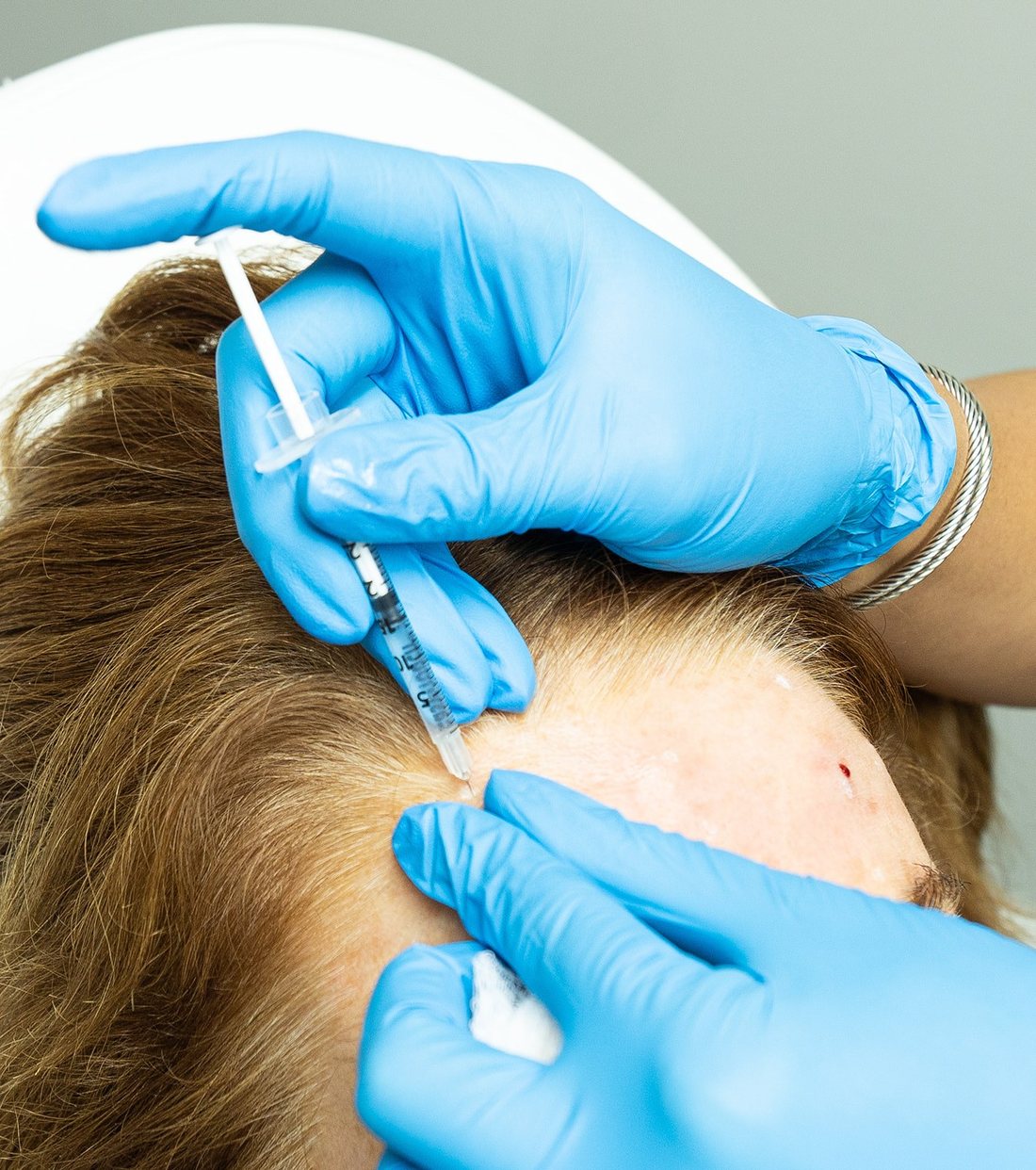
Gloved hands administer a scalp injection
Why it matters

Many new customers are not going to find a medspa and then schedule an appointment right away. A lot of things happen after that point. For example, a patient might have seen your medspa's post on social media. Then, they decided to search online for a service, visited your website, read other people's reviews, compared you with another provider, and saved your page to revisit later. Eventually, they came back to your website, looked at some content again, and decided they were finally ready to trust your business enough to schedule an appointment.

All of these steps collectively make up the customer experience, or customer journey. This is important because the ultimate result of a well-executed marketing campaign is usually the culmination of several moments rather than just one specific measurable event. Each touchpoint does its own job for potential clients. When you take all of those into account, it influences how a consumer ultimately views your business.

A masked provider leans over a patient during a treatment
01Awareness

First, people need to know you exist.


Awareness is the point where someone first becomes familiar with the brand. That may happen through Instagram, Google, paid advertising, a referral, an influencer, an event, or even by seeing the physical location. At this stage, the goal is not always to get someone to book immediately. Sometimes, the goal is to be noticed, understood, and remembered. For medspas, this is especially important because patients often begin forming opinions about a practice before they ever speak to anyone there.

Key question

Did the right people notice us, and did they understand what we offer?

A provider shows a patient something on a phone in a treatment chair
02Consideration

Attention is not the same as trust.


When we have a potential patient in our “interested” stage, this is when most of their research usually begins. The consideration phase is when potential patients begin comparing different medspas by reading online reviews, viewing before-and-after pictures, researching provider credentials and qualifications, exploring all of your treatment options, and scrolling through social media.

Consistency is key, especially in this stage. If you appear professional on Instagram yet disorganized on your website, trust could be damaged. If the information presented appears to be educational in nature, yet the method for scheduling an appointment seems confusing, then potential patients could hesitate and end up turning away. Ultimately, consideration is simply creating enough comfort so that a person feels confident in their decision making process to continue with you.

Key question

What do I need to present to show a potential client what they want to see, know, and feel before they decide to choose me?

A patient receives an injection in the arm from a provider
03Conversion

Now that they are interested, will they convert?


This is when all of your marketing efforts have produced an interested person. At this time, their interest in converting should be very high. Booking a consultation, calling the office, filling out a contact form, sending a message, or booking a treatment may be what they need to do to become a patient.

However, it's still possible for them to lose interest at this stage too. A long wait to answer, a confusing website, unclear next steps, or a difficult process to book the appointment could all potentially lose clients. A good conversion plan doesn't just make sure someone wants your services, it makes sure that it feels easy to decide on using your services.

Key question

Are we making it easy for someone who is ready to move forward?

A patient in protective eyewear during a laser treatment
04Experience

This is when the brand promise is put to the test.


When the patient actually uses the business, there's an overlap between the marketing for a medspa and the customer experience. How the call is answered by the receptionist, how the consultation felt, how well expectations were communicated, how the space looks, and how follow-up is handled all contributes to how the patient perceives the brand.

No matter what the medspa says on their website about their services, the true test is what the patient experiences as opposed to what they read. Ultimately, strong brands are those who provide an experience that reflects the promise made by branding.

Key question

Does the real patient experience match the brand we are marketing?

A provider in protective glasses treats a patient's face with a laser
05Retention

Don't stop at the appointment.


After you've booked their appointment, your work isn't done. A positive experience has many benefits for your business like repeat visits, memberships, additional treatments, referrals, and more.

Retention marketing isn't about consistently asking a patient to come back and be treated by you. It's about creating ongoing reasons for why they will want to. This can take follow-up communications, educating the patient on what they are experiencing, developing a plan for future care, sending reminders, reaching out personally to patients, or providing an overall experience that makes it worthwhile for them to return to see you again.

Key question

What reason would I have for this patient to want to book another appointment with me?

Two colleagues review something on a laptop at a front desk
06Advocacy

A great experience creates future customers.


Many happy patients are the result of other happy patients. They post online reviews, refer the practice to others, tell friends about their results, tell others about their experience at the practice, and bring new customers into the fold that weren't aware of the practice prior, which is why advocacy is so powerful in the aesthetics industry.

Trust plays a huge factor in making decisions regarding cosmetic treatments. If a current patient refers or recommends your practice to a close friend, they are more likely to take advantage of what you offer than if they saw an advertisement for your practice.

Key question

Are we creating experiences people actually want to talk about?

Marketing isn't always linear

A customer's journey has its own timeline.

For example, a potential patient could find your medspa, think nothing of it, see your medspa again three months from now, compare it with another, check reviews, return to your website, and consult with a friend before making a final decision. That is normal.

The value in studying the customer's journey comes from understanding how each experience in their journey plays a role. Social media posts create awareness. Reviews build trust and confidence. Your website answers questions. Consultations eliminate hesitations. Follow up messages get them back. You don't have to use one touch point to try and do everything, just be sure to do your part as well.

Explore the Memos